Mandala Coloring Page Vol.024 in Real Embroidery Work
Before I even opened the file, I had a specific project in mind. A client had asked for a set of custom linen pillow covers—something meditative, symmetrical, and clean enough to sell at a boutique home goods shop. I needed a design that would translate into thread without losing its soul. That's when Mandala Coloring Page Vol.024 landed on my screen, and I started thinking through how this would actually behave under a needle.
First Look at the Mandala Structure
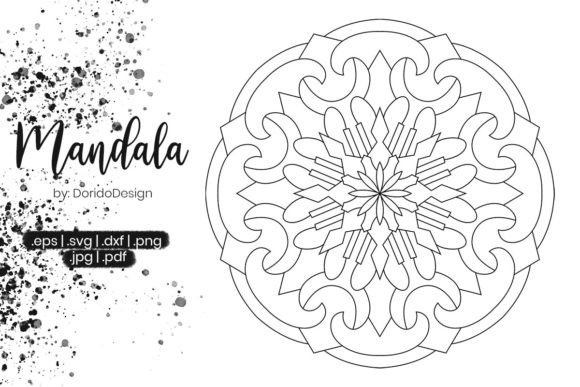
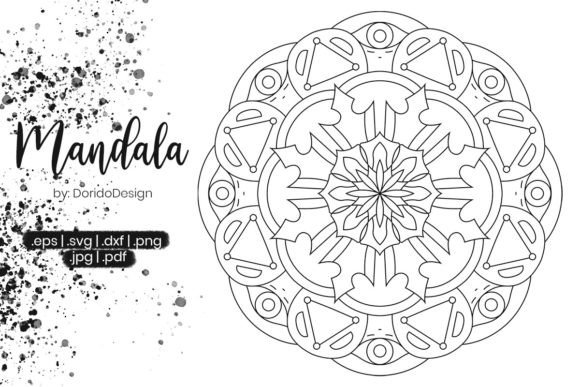
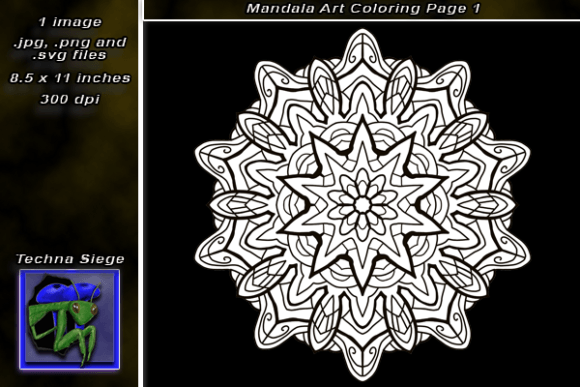
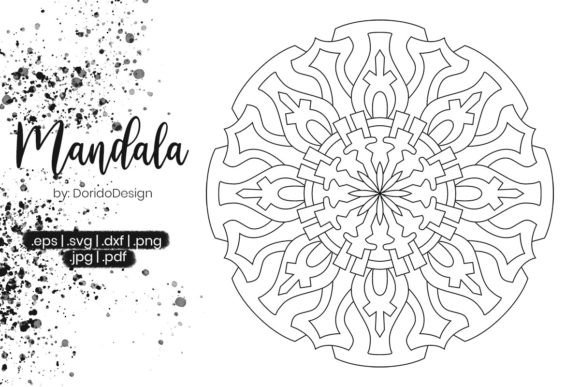
The first thing that struck me about Mandala Coloring Page Vol.024 was the balance. This isn't one of those overly dense mandalas that collapses into a muddy mess the moment you shrink it down. The concentric rings breathe. There's enough negative space between the petal layers that satin stitches won't bleed into each other, and the outermost edge has a defined boundary that feels intentional, not randomly fringed. I could immediately picture it stitched in a soft terracotta thread on natural linen, the geometry holding its own without screaming for attention.
For a Coloring Pages Amp category product, this design carries a surprising amount of structural clarity. Many designs in the Graphics space are created with flat coloring in mind, not thread topography. But this one has a rhythm that would work for embroidery. The repeating radial elements mean you could actually stitch this in sections, which is a huge plus for single-needle machine users who need to manage color changes efficiently.
How It Performs on Different Embroidered Products
I ran through my mental checklist of projects where this mandala would genuinely shine. A tote bag design came to mind first—medium-weight canvas, hooped with a firm cutaway stabilizer, the mandala centered on the front panel. The symmetry would read beautifully against the natural grain of the fabric. For a sweatshirt embroidery project, I'd place it on the upper back, just below the neckline, sized around five inches. The circular form sits naturally on the body without fighting shoulder seams.
Then I thought about baby embroidery—a soft cotton onesie with a miniaturized version of the mandala on the chest, maybe three inches wide. The rounded shapes feel gentle and nurturing, exactly the kind of visual language that works for nursery decor and baby shower gifts. For handmade product sellers on Etsy, this design could become a signature piece across multiple listings: pillow cover fronts, tea towel accents, even the flap of a linen apron.
One use case I'm particularly excited about is the embroidered patch. Because the mandala has a clear outer edge, you could stitch it on felt or twill with a dense border, cut it out, and sell it as a standalone iron-on patch. The circular shape is perfect for patch formats, and the mandala design aesthetic is consistently popular with buyers who want something spiritual, bohemian, or simply decorative.
Stitch Quality and Detail Considerations
Here's where experience matters. A coloring page graphic is not automatically an embroidery-ready file. The linework in Mandala Coloring Page Vol.024 would need to be converted thoughtfully. The fine inner details—those delicate petal outlines and dot-like accents—need to be evaluated for stitch density before committing to production. If the lines are too thin, a running stitch might disappear on textured fabric. If they're too thick, a satin stitch could pucker lightweight cotton.
My advice: test this on a scrap fabric first, especially if you plan to use it on stretchy fabric like a t-shirt or baby onesie. Use a water-soluble topping to keep the stitches from sinking into the knit. I'd also recommend a medium-weight cutaway stabilizer for anything that will be worn and washed regularly. The mandala's open center actually helps here—less dense stitching in the middle means less stiffness on the finished garment.
For dark fabric backgrounds, contrast is everything. A white or metallic gold thread would make this mandala pop dramatically on a black hoodie or a navy cap. But be careful with curved surfaces like caps—the circular design could distort if not properly digitized for the cap frame's curve. I'd test placement on a flat area first before committing to a cap run.
Commercial Use and Small Business Potential
As someone who reviews designs with a practical business lens, I see strong potential for Mandala Coloring Page Vol.024 in commercial embroidery projects. The mandala motif has enduring appeal. It's not trendy in a way that will date your inventory next season. Customers shopping for personalized gifts, wedding gifts, or holiday embroidery items are consistently drawn to this kind of balanced, meditative imagery.
For Etsy sellers and small shop product creators, this design could anchor a full product line. Imagine a coordinated set: a pillow cover with the mandala in dusty rose, matching kitchen towels with a smaller version in the corner, and a canvas tote with the full design centered on the front. That kind of visual consistency builds brand recognition and encourages multiple-item purchases. The printable mockup potential is also worth noting—you could use this digital embroidery file preview to show customers what the finished product looks like before they commit.
One important note: before you list items made with this design, confirm the licensing terms. The product description mentions uses in scrapbooks, greeting cards, stickers, and invitations, which suggests a broad creative license, but you'll want to verify that finished product sales are explicitly covered. This is especially important if you're selling on Etsy, at craft fairs, or through your own boutique website.
Where to Use Extra Caution
Not every project is right for this mandala. I'd avoid small hoop sizes under 4x4 inches unless you're willing to lose some of the finer detail. The inner rings of the design could blur together at very small scales, and the outermost decorative elements might become illegible as thread blobs. If you're working with a compact machine, test the design at its intended size on a fabric sample before running a full batch.
Thin fabric like lightweight jersey or sheer cotton voile is another area to approach carefully. The radial symmetry means there's a lot of stitching concentrated in a circular area, and without proper stabilization, you'll get puckering. I've ruined enough test pieces to know that stabilizer choice is non-negotiable here. For towels, use a tear-away with a water-soluble top layer. For garments, stick with cutaway and don't skimp on the density settings.
Products that need frequent washing—like everyday t-shirts or baby onesies—also require attention. The mandala's finer connecting lines could wear down over time if the stitch length is too short or the thread tension is off. I'd recommend polyester thread over rayon for wash durability, and always run a few pieces through the laundry as a test before selling to customers.
Thread Color and Fabric Pairing Ideas
One of the joys of working with a mandala coloring page design is the freedom to play with thread colors. This isn't a design that demands realism. You can go monochrome with tonal threads on a matching fabric for a subtle, elegant look. Or you can go bold—think turquoise and coral on a cream tea towel, or metallic gold on deep forest green for a holiday gift item that feels luxurious and handmade.
I've found that customer trust and perceived value increase significantly when the thread color choices feel intentional. A customer browsing your Etsy listing will notice if the mandala's thread colors complement the fabric rather than clash with it. Take the time to test black and white mockups of the design to see how the value contrast holds up. Then test on light and dark fabric backgrounds to confirm readability. These small steps elevate a handmade product from craft-level to boutique-quality.
Real Project Scenario: The Market Tote Test
Let me walk you through how I'd actually use Mandala Coloring Page Vol.024 in a real project. I'm preparing a limited run of canvas market totes for a local artisan shop. The bags are natural cotton, medium weight, with a smooth front panel. I hoop the bag with a firm cutaway stabilizer, position the design centered about four inches from the top seam, and run a test stitch in a muted olive green thread.
The first stitch-out reveals what I expected: the mandala's outer ring reads clearly, the inner petals have good definition, and the negative space between the concentric bands keeps the design from feeling heavy. The satin stitch sections lay flat, and the running stitch details add just enough intricacy without making the tote feel stiff. I adjust the density slightly on the smallest inner circle and run a second test. Now it's ready. The shop owner loves it, and customers pick them up as giftable items. That's the kind of real-world outcome I'm looking for when evaluating a design asset like this.
Final Practical Notes for Embroidery Pros
If you're a craft business owner, a small shop operator, or a creative entrepreneur building your product line, Mandala Coloring Page Vol.024 deserves a spot in your design library—provided you understand its conversion needs. It's not a ready-to-stitch embroidery file out of the box. It's a graphic that needs to be digitized with care. But the underlying composition is strong, the symmetry is reliable, and the visual appeal is undeniable.
Test it on your hoop size range. Check the stitch density on your fabric type. Confirm the license covers your intended use, whether that's custom apparel, handmade gifts, or digital product resale. And when you do stitch it, take pride in the fact that you're offering something with genuine aesthetic value—not just another generic floral, but a mandala with presence, balance, and the kind of quiet confidence that makes customers stop scrolling and click "add to cart."
Used thoughtfully, Mandala Coloring Page Vol.024 can become a workhorse in your embroidery project lineup. It's versatile enough for holiday collections, wedding accessories, nursery decor, and everyday personalized items. That's the kind of design asset that pays for itself over time, one beautifully stitched mandala at a time.