A Designer’s Honest Look at the Cat Coloring Page for Embroidery
When a new design lands in my library, the first thing I do is imagine it stitched. Not as a flat graphic on a screen, but as thread on fabric. Today, it’s the Cat Coloring Page. The name suggests simplicity, but as an embroidery designer, I’m looking for more: personality, stitchability, and a clear sense of where it belongs in a real project.
The Personality and Potential of This Cat Design
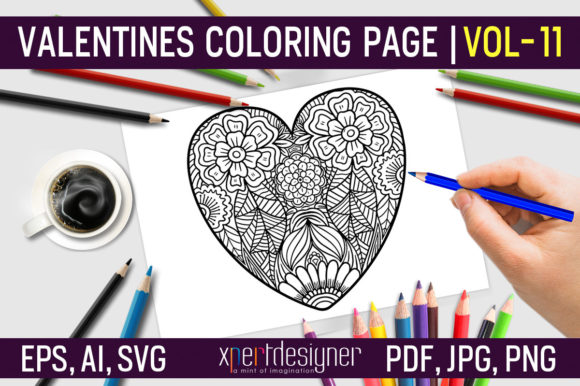
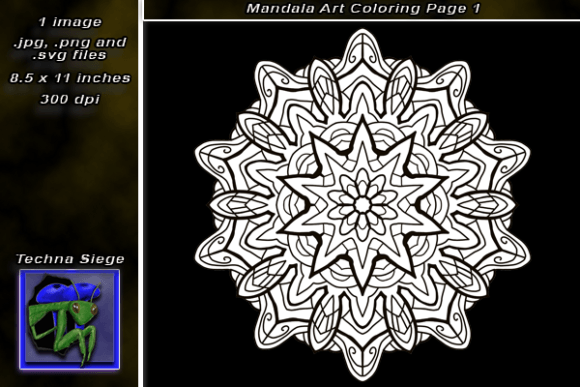
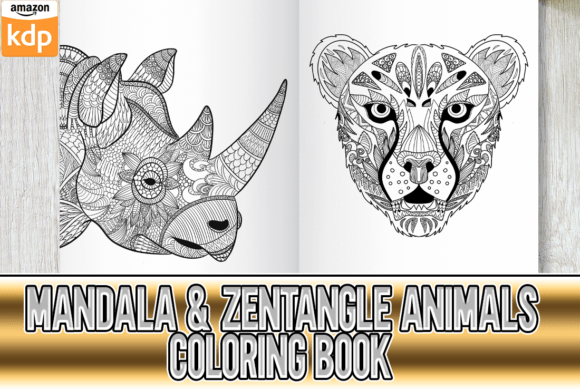
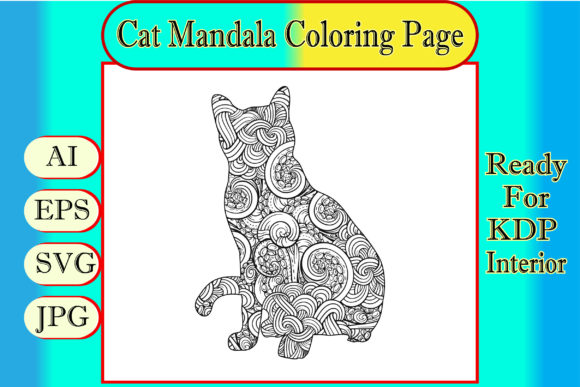
This design presents a stylized, almost mandala-like cat outline. It’s intricate without being intimidating—a series of flowing lines and shapes that create a calm, decorative feel. The mood is playful yet serene, a balance that’s excellent for personalized gifts or boutique products. Visually, it doesn’t scream; it invites closer look. That’s a valuable trait for embroidery. A design that’s too bold can overwhelm a garment, but this one has a gentle personality that could adapt to many contexts.
My immediate thought was: this feels perfect for a custom tote bag or a pillow cover. The layout is centered and balanced, making it a natural focal point. The level of detail is interesting—there are areas that would translate beautifully into satin stitch for smooth fills, and other lines that would be ideal for a clean running stitch outline. For a craft business owner, that mix offers flexibility. You could stitch it densely for a rich, textured look on a tea towel, or keep it lighter and more open for a delicate touch on a baby blanket or nursery decor piece.
Where This Embroidery Design Truly Shines
Let’s talk real-life use. I’m picturing a client request: a custom embroidered sweatshirt for a cat lover. This design would stitch out with a lovely clarity. On a mid-weight fabric like a cotton sweatshirt, with proper stabilizer, those graceful lines would hold their shape. It’s a design that elevates casual apparel into something special—a handmade presentation that feels considered and artful.
For small business merchandise, like an embroidered patch or an apron, it carries a recognizable charm without being overly niche. Etsy sellers and craft fair vendors could use this across a product line: stitch it on a kitchen towel, a cap, or even a holiday gift like a framed textile piece. Its appeal is broad enough for general audiences but specific enough to delight a target customer. That’s a sweet spot for commercial embroidery projects.
As a digital embroidery file, its value extends to digital product sellers creating printable mockups or design assets for their shops. The clean outlines mean it would also perform well in black and white previews, which is crucial for customer trust and clear Etsy listings.
Considerations for Stitching Success
Confidence in a design comes from knowing its limits, too. For the Cat Coloring Page, the detail level requires some practical forethought.
On very small hoop sizes, some of the finer interior lines might become challenging. Testing on scrap fabric first is non-negotiable here. You’d want to check stitch density in those areas to ensure they don’t become too dense or too fragile. On textured fabrics like a thick blanket or a loosely woven linen, the design’s clarity could soften, which might be a desirable effect for a rustic look, but not if you need crisp definition.
Stretchy fabrics, like t-shirts, demand extra care. The design has some longer, continuous lines that could be affected by fabric movement during stitching. A good stabilizer and possibly adjusting the stitch type for those sections would be key. For dark fabric backgrounds, thread color contrast is paramount. This design, with its open spaces, would rely on a bright, contrasting thread palette to pop—think whites, creams, or bold pastels against navy or black.
Curved surfaces like caps are possible, but the design’s circular, balanced nature means you’d need to center it perfectly to maintain its visual harmony. And for products destined for frequent washing, like baby clothes or kitchen towels, securing those detailed stitches well during the embroidery process ensures longevity.
Practical Notes for Your Embroidery Project
- Always test the design on a scrap of your target fabric first. This reveals how the thread colors interact with the material and if any stitch adjustments are needed.
- Check thread color contrast thoroughly. On light fabric, darker threads will define the shapes; on dark fabric, your choice of light threads will define the entire mood.
- Review the stitch density in your embroidery software before stitching. Areas with many close lines might need a lighter fill stitch to prevent puckering.
- Confirm your hoop size can accommodate the design comfortably, leaving room for the details to breathe.
- Inspect the small details in a preview. Are there tiny corners or junctions that might need a slight simplification for your specific machine or project?
- Test the design in simple black and white mockups to gauge its clarity for product photos or digital previews.
- Use the proper stabilizer for your fabric type—this is especially important for the design’s integrity on stretchy or thin materials.
- Before selling finished items or digital products, confirm the licensing terms of the original file. As a graphics file provided for commercial use like Amazon KDP, the same principle applies: understand your rights for creating and selling embroidered derivative works.
How This Design Impacts Your Craft and Business
Using a design like the Cat Coloring Page in your work affects more than just the stitch. It influences perceived product value. A well-executed version of this on a tote bag feels like a premium, handmade product, not a generic mass-market item. That boosts customer trust and engagement. For brand consistency, if your small shop focuses on pet-themed or mindful, decorative goods, this design aligns beautifully, strengthening your visual identity.
Its giftability is high. Embroidered on a pillow cover or a tea towel as a wedding or housewarming gift, it carries a personal, artful touch. For creative entrepreneurs, it’s a versatile design asset that can be adapted across multiple product types—from apparel decor to home decor—giving you efficiency and a cohesive look.
In the end, the Cat Coloring Page isn’t just a graphic; it’s a starting point for a thoughtful embroidery project. It has the personality to charm and the structure to stitch well, provided you apply your designer’s eye to its particulars. Approach it with practical preparation, and it can become a reliable, appealing part of your handmade product line or your next custom gift.