Daisy Flower Coloring Pages Books Graphics Amp
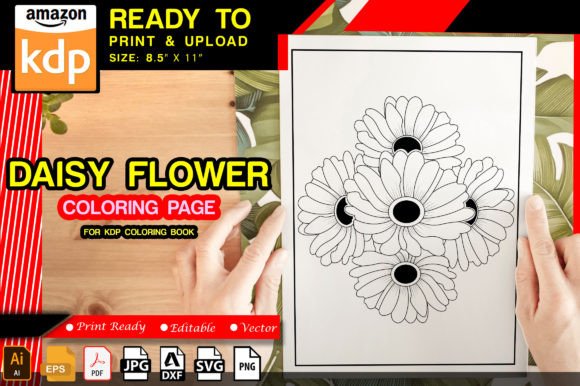
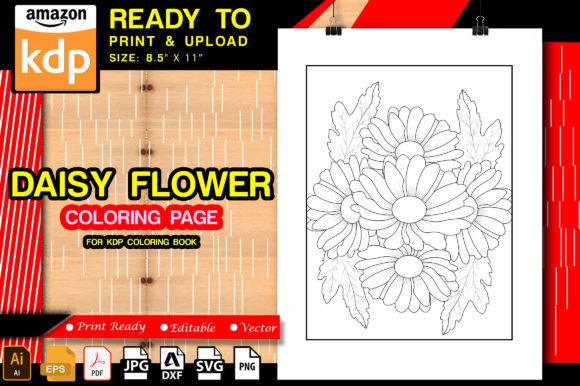
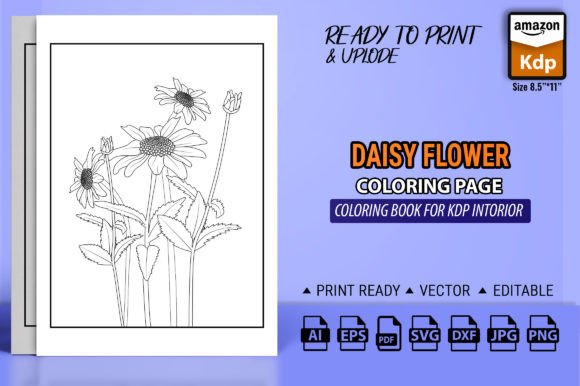
When I first downloaded and opened the file folder for Daisy Flower Coloring Pages Books, I was immediately evaluating it through the lens of a seller who has listed hundreds of digital products across Etsy, Creative Fabrica, and a standalone Shopify store. The asset landed in my workflow during a week when I was preparing a new spring-themed collection of printable coloring books and low-content interiors for the print-on-demand space. What I received was a set of daisy flower illustrations, structured as vector artwork in Adobe Illustrator format, sized at eight and a half by eleven inches, and clearly intended for adult coloring book interiors. The product description mentions a printable coloring book for KDP interiors, and that is exactly the first use case that came to mind. However, as anyone who sells digital products knows, a single graphic design asset can stretch far beyond its original purpose if the resolution, composition, and licensing hold up.
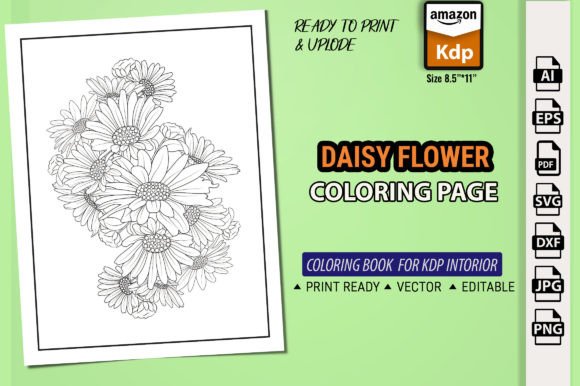
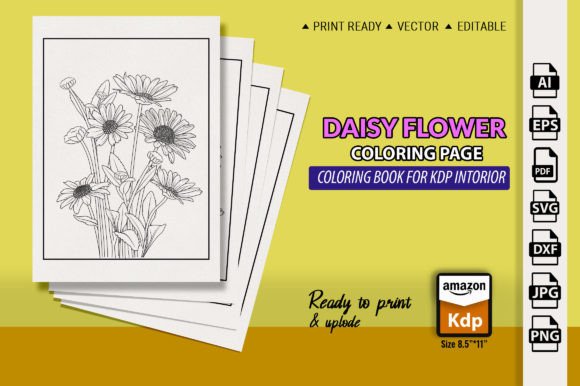
The flowers themselves carry a clean, slightly detailed botanical style that leans toward an elegant and calming visual personality. They are not overly whimsical or childlike, and they do not feel rigid or overly formal. The daisy motifs are drawn with enough openness to allow for satisfying coloring, but they also hold enough structure to work as standalone decorative elements in other printable designs. The mood is calm, natural, and somewhat feminine, which makes sense for a flower-themed product. In terms of audience, this kind of visual language tends to attract buyers who enjoy mindfulness coloring, nature-inspired journaling, and decorative home printables. The style also fits comfortably into niches like rustic wedding stationery, botanical wall art, and spring seasonal bundles. For a seller building a cohesive brand identity around soft, nature-based aesthetics, this asset integrates smoothly without clashing.
Testing the asset across multiple product mockups revealed a lot about its flexibility. The first thing I tried was a straightforward printable coloring page formatted for an Etsy digital download. The eight and a half by eleven inch size is already optimized for home printing, and the vector nature of the file means scaling up or down does not introduce pixelation. That alone makes the asset useful for sellers who want to offer a coloring book as a single-page listing, a bundled collection, or a full KDP interior. I also tested the daisy illustrations as standalone clipart elements in a Canva template for greeting cards. The flowers translated well when isolated, recolored, and placed into a simple card layout with a serif font and a minimal color palette. The result looked polished and believable as a sellable product.
From a merchandise perspective, the daisy illustrations opened up several practical avenues. I placed one of the flower designs onto a mug mockup and a tote bag mockup using a standard sublimation design workflow. The lines held up nicely, and the botanical detail read clearly at product scale. For t-shirt graphics, the floral motif worked best when arranged as a small chest emblem rather than a large full-front print, simply because the intricacy of the coloring-page style can feel busy on a garment if scaled too aggressively. I also tested the PNG version of the artwork on a sticker design sheet, and it performed well as a decorative sticker, though I would caution against using it for tiny kiss-cut stickers where the line density might overwhelm the cutting precision of a Cricut or Silhouette machine.
One of the most valuable exercises I run with any new graphic design asset is the thumbnail test. I took the daisy artwork and created a mock listing image for a printable coloring book bundle, placing it next to a few other floral designs in a grid layout. The daisy stood out clearly, with enough contrast to draw the eye in a crowded Etsy search results page. The white space around the petals created a clean silhouette, and the overall composition felt inviting without being cluttered. Thumbnail appeal is a major factor in click-through rates on creative marketplaces, and this asset passes that test. The perceived value of the product also increases when the artwork looks hand-drawn and intentional rather than auto-generated or overly simplistic.
When I organize my product collections, I think a lot about visual consistency across multiple listings. The Daisy Flower Coloring Pages Books artwork fits well into a spring bundle, a botanical coloring series, or a mindfulness-themed collection. It pairs naturally with other floral illustrations, mandala designs, and nature-inspired patterns. The line weight and style are consistent enough that the daisy does not feel like a random addition when grouped with other botanical drawings. For sellers who want to create a recognizable brand identity across their digital downloads, this kind of stylistic coherence is worth paying attention to. It reduces the amount of time spent fixing mismatched assets and makes the final product collection look more professional.
Using the daisy artwork for social media graphics and promotional visuals also proved effective. I dropped the PNG version into a Pinterest pin template and a simple Instagram story background. The floral lines added a decorative touch without overpowering the text overlay. For bloggers and content creators who sell digital products alongside their content, having versatile botanical illustrations that can double as blog graphics or lead magnets is a practical bonus. The asset works as a supporting visual element in packaging design mockups as well, especially for handmade business branding that uses natural or floral motifs.
There are, however, a few practical considerations to keep in mind before publishing a finished product with this asset. First, always inspect the SVG cut quality if you plan to use the design for Cricut projects. The vector lines in the daisy illustrations are detailed, and some of the thinner petal strokes may require slight node simplification for clean cutting on adhesive vinyl or heat transfer vinyl. Testing the cut file on a sample material before listing a physical product can save a lot of customer service headaches later. Second, check how the artwork looks on a dark background versus a white background. The default presentation is light and airy, and placing the daisy on a dark or muted background may require adjusting the stroke color or adding a subtle offset to maintain contrast. Third, confirm the commercial license terms before using the artwork in any merchandise or print-on-demand product. The product description indicates this is a digital printable asset for KDP interiors, but extending usage to physical goods like mugs, shirts, and tote bags requires a clear understanding of the licensing scope.
File organization is another practical note that experienced sellers will appreciate. When I receive a digital product bundle, I always rename the files clearly, separate the formats into labeled folders, and create a simple instruction sheet for customers. For this asset, the vector files, PNG files, and any included PDFs should be organized in a way that minimizes confusion for buyers who may not be familiar with Adobe Illustrator. A well-organized download package reduces refund requests and improves the customer experience. Pairing the daisy artwork with a well-chosen font family also elevates the final product. I tested the flowers with a clean sans serif font for a modern look, a delicate script font for wedding stationery, and a classic serif font for a more traditional botanical print. The artwork held its own in all three combinations, which speaks to its visual adaptability.
For sellers who build design bundles and seasonal collections, the daisy flower illustrations can serve as a bridge between different product types. A single bundle might include a coloring page, a greeting card template, a printable wall art piece, a planner sticker sheet, and a simple tumbler wrap, all using the same daisy motif. This approach maximizes the value of a single asset and creates a cohesive product line that feels intentional rather than patched together. It also helps with cross-selling and upselling within a shop, since customers who purchase one product from the collection are more likely to return for the coordinating items.
One area where I would exercise caution is in text-heavy templates. The daisy artwork is detailed, and placing it behind dense paragraphs or layered text can create visual noise that reduces readability. If you are designing an invitation template or a journal cover, I recommend using the flower as a border element or a subtle background accent rather than a full-bleed pattern. The same principle applies to product mockups for small items like pins or keychains. At tiny scales, the intricacy of the linework may blur or disappear, so a simplified version of the flower might be more effective for those use cases.
Testing the artwork against real marketplace conditions is the only way to know if it will perform. I recommend printing a sample page on standard copy paper and on a slightly heavier cardstock to check how the lines reproduce. What looks crisp on a screen can sometimes print with softened edges or subtle banding, especially if the original vector file contains complex gradients or overlapping paths. A quick test print before listing a product helps catch any issues with line thickness, ink density, and overall print quality. For digital-only products, exporting the artwork at the correct resolution and verifying the PNG transparency are equally important steps. A transparent background that is not cleanly separated can cause frustration for buyers who expect a ready-to-use design asset.
Overall, the Daisy Flower Coloring Pages Books asset is a practical and versatile addition to a digital seller's library. It is not a flashy, trend-driven piece of artwork, but it fills a reliable niche that consistently attracts buyers in the coloring book and printable decor markets. The botanical theme has staying power, and daisies specifically carry a broad appeal that crosses age groups and design preferences. For an Etsy seller, a print-on-demand entrepreneur, a Canva template creator, or a craft blogger looking to expand their product line, this asset provides a solid foundation for multiple product types without requiring extensive rework or redesign. The key is to test it thoroughly, organize the files clearly, and match the artwork to the right product format and presentation style. When those steps are followed, the daisy illustrations can quietly become a dependable performer in a growing online shop.