Stitching Dinosaurs: Dianosaurs Coloring Book Chapter 1
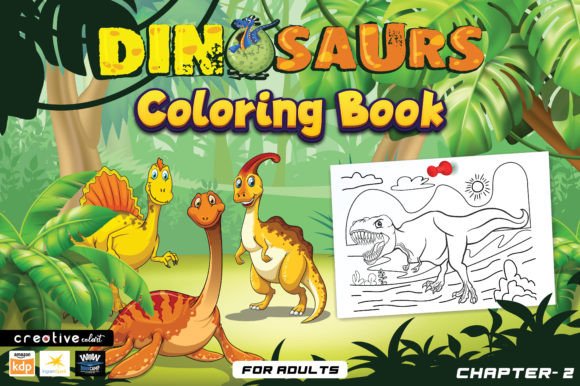
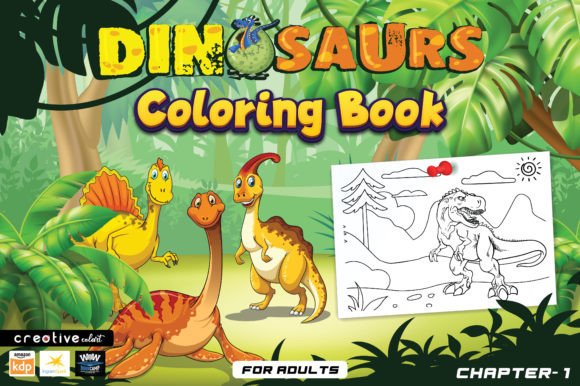
As a designer who spends most days converting art into stitches, I’m always curious when a new graphic set lands on my screen. Dianosaurs Coloring Book Chapter 1 caught my attention because it’s not just another collection of cute animals—it’s a series of line-art dinosaur illustrations that feel like they were made for creative experiments. The product page says it’s a coloring book chapter, but the moment I opened the PNG and SVG files, I saw embroidery potential. Five pages of dinosaur drawings: bold outlines, playful poses, and a hand-drawn charm that could translate beautifully into thread on fabric. If you’re an embroidery small business owner, Etsy seller, or a maker who personalizes totes, baby clothes, or nursery decor, this might be the kind of digital asset that sparks a whole new product line. But like any design, there are things you need to test before you digitize and stitch.
First Impressions: The Vibe of Dianosaurs Coloring Book Chapter 1
Opening the files, I immediately felt a warm, storybook nostalgia. The dinosaurs aren’t overly realistic or aggressive—they’re friendly, soft-edged, and almost whimsical. Each page has a distinct character or a small scene, with one dinosaur often paired with a few simple plants, clouds, or eggs. The line art is clean, with confident strokes that give the creatures personality without making them complex. For an embroidery designer, this is gold. It means the main shapes are clear, the separation between body parts is obvious, and the overall silhouette will read well even at a distance, which is critical for wearable items like a sweatshirt or a tote bag.
The set belongs to the Coloring Pages & Graphics category, and that explains its origin—but once you view it as a potential embroidery design, you start seeing thread paths, not crayon strokes. The high-contrast black outlines scream “perfect for satin stitch outlines” or “convert to a simple running stitch.” The SVG files are vector, so you can scale up or down without losing detail, a huge plus when you’re planning projects for different hoop sizes. I’d describe the mood as playful, gentle, and timeless—exactly the kind of visual that makes a parent stop scrolling on Etsy or a gift buyer pause at a craft fair.
Translating Coloring Pages to Embroidery: What Works and What Needs Care
Converting a coloring book illustration into a machine embroidery design is never a one-click job. With Dianosaurs Coloring Book Chapter 1, the thick outlines naturally suggest a satin stitch parameter, but you’ll need to decide whether to fill the dinosaurs or keep them as open outlines. I found that the larger areas—like the body of a brontosaurus—would need a fill stitch if you want solid coverage. That’s doable, but check your stitch density. Too heavy, and you’ll have a stiff patch on a delicate baby blanket; too light, and the fabric peeks through. For a softer look, consider using the design as an applique: use the SVG file to cut out fabric shapes, then stitch the outlines over the edge. This technique works beautifully on a quilt or a pillow cover.
The small details—tiny eyes, claws, teeth—are where many coloring book designs fall apart in embroidery. In Dianosaurs Coloring Book Chapter 1, those details are surprisingly minimal. Most dinosaurs have simple dot eyes and a few curved lines for toes. That’s a smart artistic choice, because thread needs room to turn. You won’t struggle with minuscule knots that your machine can’t handle. However, I’d still test one of the more detailed scenes on a scrap of your typical fabric. Pay attention to the pull compensation; a design digitized directly from a flat graphic might distort slightly on a stretchy sweatshirt. Always run a stitch-out before you commit to a client order.
Real-Life Project: A Custom Dinosaur Tote for a Small Shop
Last week, I was planning a new line of personalized children’s totes for a local boutique. I needed a gender-neutral, playful design that would appeal to toddlers and parents alike. I pulled up Dianosaurs Coloring Book Chapter 1 and started mocking up a tote bag in my digitizing software. The standing brachiosaurus from one of the pages immediately felt right. I could see it stitched in soft sage green thread on a natural canvas tote, with a name embroidered underneath in a simple font. The design’s outline style meant I could adjust the stitch type to a medium-weight satin stitch, which would hold up well on a sturdy bag. I also considered using it as a patch design—stitching it on felt and then sewing it onto a denim jacket. The possibilities felt endless, and that’s exactly what I look for in a digital asset: flexibility.
When I think about the customer reaction, I imagine a parent spotting that tote and immediately connecting with the hand-drawn, storybook quality. It doesn’t feel like a mass-produced cartoon. It has a quiet charm that says “handmade with care.” For a small shop, that perceived value can justify a higher price point. A tote like this could easily become a bestseller at a spring market, especially if you offer a matching dinosaur name tag or a coordinating children’s apron. The design’s versatility means you’re not locked into one product; you can build a whole collection around it.
Where Dianosaurs Coloring Book Chapter 1 Shines in Embroidery Projects
I can see this design fitting into a wide range of finished products. Here are just a few avenues where Dianosaurs Coloring Book Chapter 1 would feel right at home:
- Custom apparel: a single dinosaur on a t-shirt or sweatshirt chest pocket, or a larger scene on the back of a denim jacket.
- Baby items: onesies, bibs, baby blankets, nursery wall hangings, or a soft crib sheet with a subtle dinosaur trail.
- Tote bags and pouches: stitched on canvas, linen, or even cork fabric for a modern, clean look.
- Patches and caps: the outline style works perfectly for a patch sewn onto a baseball cap or a backpack.
- Home decor: pillow covers, tea towels, or a small framed embroidery hoop art for a child’s room.
- Holiday and special occasion gifts: a dinosaur-themed Easter basket tag, a birthday shirt, or a “roar-some” Father’s Day apron.
- Boutique branding: use the design on your shop’s packaging, thank-you cards, or even as a printable mockup for digital embroidery file previews.
Because the set includes five separate pages, you’re not forced to use the same dinosaur every time. Mix and match for variety, or offer customers a choice. The SVG files are editable, so you can isolate a single dinosaur from a scene if you need a smaller motif for a 4x4 hoop. That kind of adaptability is a huge asset for a craft business that wants to stretch one purchase into multiple product lines.
Cautions and Considerations: When to Hold Back
For all its charm, Dianosaurs Coloring Book Chapter 1 isn’t a magic bullet. There are projects where I’d pause and test more carefully—or even choose a different design. Here’s what I watch out for:
- Small hoop sizes: if you try to cram an entire page into a 4x4 inch hoop, the details will suffer. Stick to a single dinosaur or a small part of a scene, and scale appropriately.
- Textured fabrics: terry cloth, fleece, or heavily napped surfaces can swallow the nice, crisp outlines. A woven stabilizer and a topper might help, but the final look may still be softer than intended.
- Stretchy fabrics: a t-shirt or onesie needs a cutaway stabilizer to prevent the design from pulling out of shape. The dinosaurs’ long necks and tails are especially prone to distortion if the fabric shifts.
- Dark fabrics: the original graphic is black and white. If you stitch black thread on a navy sweatshirt, the design will disappear. Always test thread color contrast on a swatch of your final fabric. Sometimes switching to a light gray or a pastel thread makes the design pop.
- Curved surfaces like caps: digitizing for a cap is different from a flat surface. The curved dinosaur spine might need extra underlay to keep the registration from warping.
- Frequent washing: if you’re making a kitchen towel or a baby bib that will be washed constantly, a dense satin stitch without proper underlay can become rough or start to fray. Opt for a lighter fill stitch or a simpler outline approach.
Also, remember that these files are sold as a coloring book asset. The product description says “add to your Low Content Book Library on Kdp and others use.” That doesn’t automatically grant a commercial embroidery license. Before you sell finished items with this design, or offer it as part of a digital embroidery pack, reach out to the original creator or check any included license file. Many small business owners overlook this step and run into trouble later. It’s always better to confirm.
Digitizing Tips for Dianosaurs Coloring Book Chapter 1
If you’re planning to digitize Dianosaurs Coloring Book Chapter 1 yourself, here are a few pointers from my own workflow:
- Start with a black and white mockup. Import the PNG into your digitizing software, set the background to your fabric color, and see how the design reads. This helps you spot areas where the outline might get lost.
- Compare light and dark backgrounds. A design that looks great on white canvas might vanish on a gray sweatshirt. Adjust thread colors accordingly.
- Simplify the smallest details. If a dinosaur has five tiny toes, maybe reduce it to three for a cleaner stitch. The hand-drawn feel is forgiving, so a slight modification won’t break the character.
- Use a proper stabilizer. For a tote bag, a medium-weight cutaway works well. For a baby onesie, iron-on mesh stabilizer gives stability without adding bulk.
- Test stitch density. Run a sample on a similar fabric. If the design feels stiff or puckers, reduce the density or switch to a lighter stitch type.
- Consider an applique approach. Trace the SVG shapes in your cutting software, cut fabric pieces, and stitch the outlines. This reduces stitch count and gives a gorgeous textured look perfect for nursery decor.
Remember, these are not finished embroidery files; they are raw graphics. That means you have full creative control, but also the responsibility to make them stitch well. The time you invest in digitizing will directly affect the professionalism of the finished product.
The Value of Adding Dianosaurs Coloring Book Chapter 1 to Your Craft Business
From a business perspective, Dianosaurs Coloring Book Chapter 1 offers more than just cute pictures. A well-stitched dinosaur design can elevate a simple item into a giftable, memorable product. Parents are drawn to dinosaurs because they’re fun, educational, and gender-neutral. A child’s dinosaur tote or a personalized sweatshirt becomes a go-to baby shower gift, holiday present, or birthday treat. When customers see that hand-drawn, storybook quality, they perceive a higher level of craftsmanship—and that builds trust. Repeat buyers will come back because they recognize your distinctive style, not just a generic clip art stitch.
For Etsy sellers, this design can also be used in listing photos. The PNG and JPG files let you create printable mockups quickly, showing potential buyers how the design would look on a shirt, a mug, or a nursery print. That’s a time-saver when you’re launching a new product line. And because the set includes five pages, you have multiple designs to rotate through your shop, keeping your listings fresh without buying multiple packs. The initial investment is small, but the creative return can be significant.
Final Thoughts from the Stitching Table
After spending time with Dianosaurs Coloring Book Chapter 1, I see it as a charming, versatile graphic set that holds real potential for embroidery projects—especially for children’s items and heartfelt gifts. It’s not a ready-to-stitch file, but for designers who enjoy the digitizing process, that’s a feature, not a bug. The hand-drawn, gentle quality gives it a warmth that many vector-based designs lack. Whether you’re making a custom baby blanket, a set of dinosaur patches for a craft fair, or a personalized tote for a boutique, this design can adapt beautifully.
As with any new asset, do your homework: test it on scrap fabric, tweak the thread palette, double-check your hoop size, and confirm the licensing. If you’re willing to put in that prep work, Dianosaurs Coloring Book Chapter 1 could become a quiet, reliable hero in your embroidery library. I’d recommend it to any maker who wants to add a storybook dinosaur theme to their product lineup—and I’m already planning a few more projects around the pages I haven’t used yet. Stegosaurus, you’re next.