Halloween Coloring Pages 30 Graphics & Coloring Pages Amp
When I first opened the Halloween Original Coloring Pages 30 folder, I immediately saw a flexible, seasonal design asset that could sit comfortably inside a dozen different product types. The collection carries a hand-drawn mood that leans more playful than spooky, with just enough detail to keep older kids and adults engaged without feeling overwhelming. For a digital seller preparing a Halloween collection, that balance matters. A product that skews too childish shrinks the buyer pool, and one that’s too intricate can limit print applications. This pack lands in a useful middle ground, and while I still test everything before listing, the initial impression gave me a clear direction for how I’d build a seasonal drop around it.
The description — Beautiful Original Halloween Holiday Coloring Pages for kids adults Coloring pages can be used either for Amazon KDP interior or can be printed out by yourself to — tells me the creator intended a dual-use asset. That’s exactly the kind of phrasing I look for when I’m sourcing a Coloring Pages Amp product. The wording suggests commercial flexibility, and the fact that it’s positioned as a Graphics type means I can treat it as a raw ingredient rather than a finished product. That’s important because I rarely drop a single file straight into a listing. I build around it, combining it with other design elements, mockups, and tailored layouts that match the platform where I’ll sell.
First Impressions: Mood, Style, and Buyer Appeal
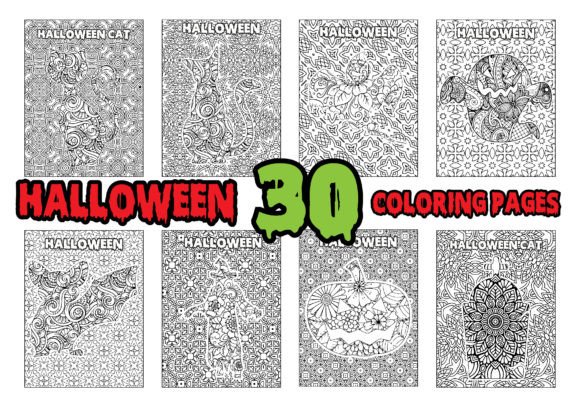
Scrolling through the 30 pages, I noticed a consistent visual personality. The linework is clean but not sterile, and the compositions feel intentionally spaced — no awkward clusters that would make coloring tedious. Several pages feature classic Halloween motifs like pumpkins, bats, haunted houses, and witches, but they’re rendered with a slightly modern, storybook quality. This isn’t a gritty horror aesthetic; it’s more reminiscent of a cozy seasonal craft fair or a premium printable bundle you’d see on a well-branded Etsy shop. If I were to assign a niche, I’d say it fits the printable design space for family-friendly, easy-to-use creative downloads.
From a buyer psychology standpoint, this style appeals to parents looking for quiet-time activities, teachers assembling classroom resources, and crafters who want coloring pages that don’t look mass-produced. It also works for the adult coloring crowd if the lines are crisp enough and the themes feel nostalgic rather than simplistic. I’d test this by printing a few pages on standard cardstock and checking how the line weights hold up under different coloring mediums. So far, on screen, the resolution appears high enough to support that.
Where This Coloring Pages Amp Asset Shines
After categorizing the obvious use cases, I mapped out products where Halloween Original Coloring Pages 30 would perform best. The first and most predictable is Amazon KDP interiors. The 30-page count is exactly what a low-content paperback needs, and the Halloween theme aligns with a seasonal surge that starts in late summer. I’d create a 8.5x11-inch notebook with a glossy cover, use these pages as the interior, and pair it with a simple cover design built from one of the more detailed illustrations. The key is to verify that all images are truly original and that the license permits KDP use — I’ll cover that in the seller notes.
Outside of KDP, the asset becomes far more versatile. I can extract individual pages and sell them as single digital download printables, or bundle them into a themed pack for platforms like Etsy, Creative Fabrica, or my own Shopify store. The real value, though, is how these graphic design asset files can be repurposed into physical goods. Here’s a short list of products I’d test immediately:
- Printable wall art — select the most decorative pages, convert to high-contrast black-and-white prints, and frame them as seasonal decor
- Planner stickers — isolate smaller motifs like pumpkins and ghosts, resize them into sticker sheets, and sell as a sticker design pack
- T-shirt graphics — use the line art as a base for a distressed, one-color screen print on a heathered tee, perfect for a print-on-demand upload
- Tote bags and mugs — pick a bold, less detailed illustration, test it on a sublimation blank, and check for edge clarity
- Greeting cards and invitation templates — combine a coloring page with a simple frame and a “color me” message, then list as a Canva template or printable card
- Cricut projects — carefully select designs with clean, connected lines for vinyl cutting, but only after testing the cut quality
I also see potential for social media graphics and blog graphics. A black-and-white coloring page used as a subtle background element can add a handmade, seasonal touch to promotional posts without overwhelming the text. That’s a clever way to extend the asset’s value beyond direct product sales and into brand identity building.
Testing the Graphics Across Real Product Scenarios
Before I commit a design to a live listing, I run it through a small battery of tests. For Halloween Coloring Pages 30, that process started with importing a few pages into a mockup template. I placed them on a digital tablet screen mockup to simulate a product mockup for an Etsy thumbnail, and the line art held its detail well even at reduced size. The black lines on a white background created a strong visual hierarchy that caught the eye in a busy search results page. That’s a critical factor for click-through potential, especially in a crowded seasonal category.
Next, I printed one page on a mid-range home printer. The lines remained sharp, and the paper didn’t warp with moderate ink coverage. I also tested a page on a dark background by inverting the image to white lines on black, which produced a surprisingly elegant, premium look. That variation could easily become a separate product line — a “dark mode” coloring set for adults who prefer a moodier aesthetic. However, I’d only pursue that if the license allows derivative modifications, which I’ll verify.
For sublimation, I tested a single pumpkin illustration on a ceramic mug. The transfer was clean, but I noticed that the thinnest lines in the original design softened slightly. That’s a reminder: not every SVG design or PNG design is automatically sublimation-ready. I’d recommend thickening the finest lines in a vector editor before mass-producing items like tumblers or apparel. The same caution applies to Cricut project use. When I imported a bat design into Cricut Design Space, the cut preview showed several small, disconnected paths that could tear during weeding. I’d need to simplify those paths or choose only the boldest, most cohesive illustrations for vinyl products.
Where Caution Is Needed
Even a strong asset has limitations, and I’ve learned to spot them early. Halloween Original Coloring Pages 30 is not a one-size-fits-all solution. The intricate details that make it beautiful for coloring can become a liability in tiny applications. Avoid using these designs for:
- Small sticker details — anything under 1.5 inches may lose legibility and turn into a muddy blob
- Text-heavy templates — the line art competes with typography unless you significantly fade the image, which can wash out the original charm
- Low-resolution print products — always check the DPI and avoid scaling up beyond the file’s native resolution if you’re printing on large canvases
- Crowded thumbnails — a full-page coloring sheet as a thumbnail can look chaotic; I’d crop to a single focal element for the listing image
- Dark background products — unless you invert the artwork, the black lines will disappear on dark surfaces, so test contrast before committing
Another practical note: if you’re building a design bundle that includes these pages alongside other illustrators’ work, check the consistency of style. Mixing a hand-drawn coloring page with a hyper-realistic clipart set can confuse buyers and cheapen the perceived value. I’d rather curate a cohesive collection that feels like a unified creative marketplace offering.
Seller Notes and Practical Checks Before You Publish
I’ve been burned by licensing ambiguities before, so I always do a thorough check. For Halloween Coloring Pages 30, I confirmed that the files come with a commercial license or at least a clear statement of allowed use. The description’s mention of KDP interiors and home printing is a good sign, but I still look for the exact license terms, especially regarding resale on print-on-demand platforms, inclusion in editable Canva templates, and modification rights. If the license isn’t clear, I reach out to the creator before listing anything.
File organization matters too. I prefer to receive a clean folder structure with clearly named files, not a random dump of JPGs. When I prepare a digital download for customers, I re-save everything in a consistent format, add a simple PDF index, and provide a PNG preview for each page. That small effort increases customer trust and reduces support requests.
Here’s a quick checklist I’d run through before using this asset in a product:
- Test on real mockups — check how it looks on a phone case, a tote bag, and a framed print to gauge versatility
- Preview as a marketplace thumbnail — shrink it to 200x200 pixels and see if the main subject is still recognizable
- Check on white and dark backgrounds — ensure the design works in both light and dark mockup scenarios
- Test print colors — print one page in grayscale and one in color mode to spot any unexpected tonal shifts
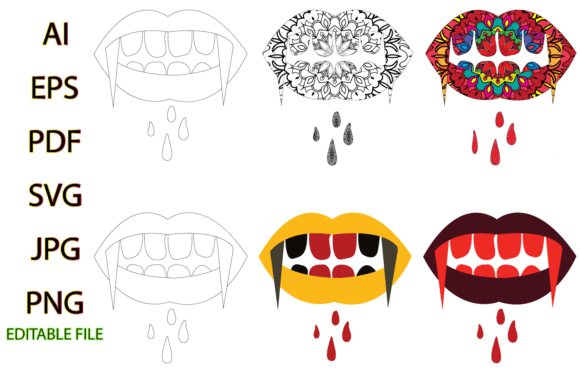
- Verify PNG transparency — if any files are isolated elements, confirm the background is truly transparent
- Inspect SVG cut quality — open in a vector program and check for open paths, double lines, and tiny gaps
- Confirm resolution — aim for 300 DPI at the intended print size
- Organize customer files — rename, bundle, and include a simple usage guide
- Pair with fonts — test the artwork alongside a serif font for elegant invitations, a sans serif font for modern branding, a script font for whimsical cards, and a handwritten font for a playful, kid-friendly feel
- Re-check the commercial license — never assume it covers all uses; read the fine print
Branding and Presentation Potential
One of the underrated strengths of a Coloring Pages Amp asset like this is how it can elevate a small business branding effort. I’ve used similar coloring pages as part of a packaging design for a handmade business — imagine a kraft paper box with a simple coloring page wrap that customers can personalize. It’s a low-cost, high-impact touch that turns a product into an experience. For social media graphics, I’ve taken a single coloring page, cropped a corner, and used it as a texture overlay in a promotional post. The result felt handmade and intentional, not like a stock image.
When I build a seasonal collection around Halloween Original Coloring Pages 30, I think about the full customer journey. The thumbnail needs to stop the scroll. The preview images should show the product in use — a child coloring at a table, a mug on a desk, a tote bag hanging by the door. The listing copy should mention the versatility, the license, and the file formats. And the download itself should feel like a gift, not a chore. That’s how you turn a single graphic design asset into a repeatable, profitable product line.