Adult Flower Coloring Pages Kdp Interior: A Designer's Honest Review
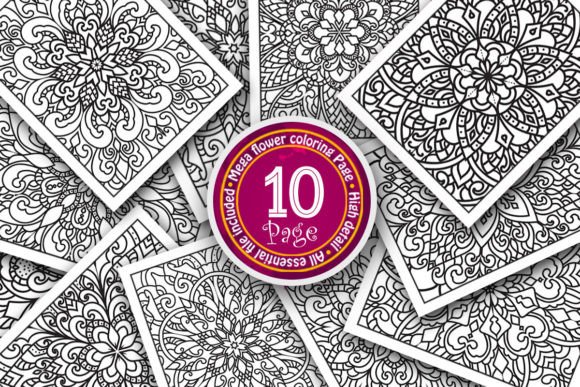
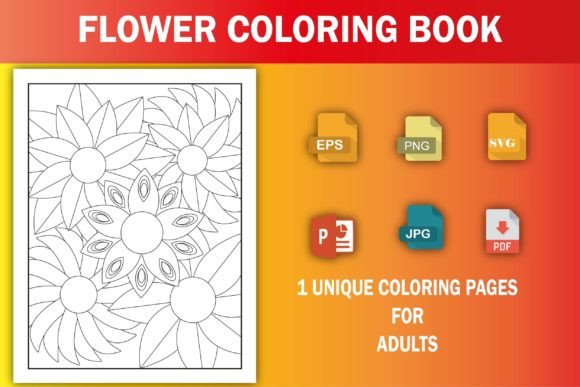
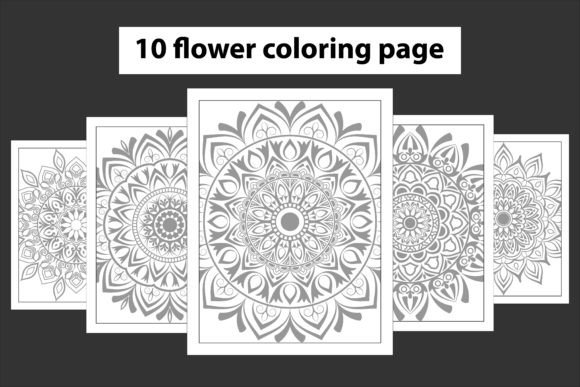
When I first opened Adult Flower Coloring Pages Kdp Interior, I wasn't expecting to immediately picture it stitched onto a linen tote bag. But that's exactly what happened. The ten high-detail flower illustrations have a certain rhythm to them that feels less like a coloring book bundle and more like a carefully curated botanical sketchbook. Each page carries its own personality, and as someone who has spent years converting artwork into machine embroidery design files, I could already see which ones would sing on fabric and which would need a little extra love before hitting the hoop.
First Look: The Mood Behind the Petals
There's a calm precision to these flower illustrations that I genuinely appreciate. The linework is deliberate, with varying petal densities that create natural depth without feeling overcrowded. Some designs lean toward the bold and symmetrical, while others have a softer, almost vintage botanical feel. This range matters more than you might think. When you're planning a custom apparel piece or a personalized gift, the design's mood sets the entire tone of the finished product. A dense, structured floral works beautifully on a structured canvas tote, while a looser, more organic bloom feels right at home on a soft cotton baby blanket.
What struck me was how easily the visual weight of these illustrations translates into embroidery thinking. The high contrast between thick outline areas and delicate interior details gives you clear direction for satin stitch versus fill stitch decisions. That's not something every printable coloring page offers. Most are drawn for pencil pressure, not needle and thread. These feel like they were made with a quiet understanding of negative space, which is a gift when you're digitizing.
The Real Test: Imagining These Blooms on Actual Products
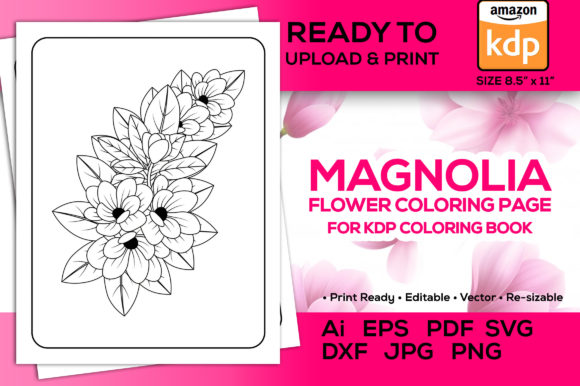
Let me walk you through a scenario I kept returning to while reviewing the bundle. I have a client who runs a small boutique selling handmade kitchen linens at weekend markets. She's always looking for designs that feel elevated but not fussy, something that catches the eye of a customer walking past her stall. I pulled up one of the peony-like illustrations from Adult Flower Coloring Pages Kdp Interior and immediately envisioned it stitched in soft coral and sage green on a natural cotton tea towel. The detail level is high enough to feel premium, but the overall shape is clean enough that it wouldn't turn into a muddy mess on textured fabric.
That's the kind of practical thinking an Etsy seller or small shop product creator needs. It's not just about whether a design is pretty on screen. It's about whether it holds its composure when it meets a fabric texture that isn't perfectly smooth, or when a customer tosses it in the washing machine for the twentieth time. Some of these floral illustrations would thrive on a sweatshirt embroidery project, especially the ones with bolder petal outlines. Others would be stunning scaled down for an embroidered patch on a denim jacket or a cap.
Where These Designs Naturally Belong
Based on what I'm seeing in the bundle, here's where I'd confidently place these floral illustrations in real-world embroidery project work:
- Tote bag design – The larger, more structured blooms work beautifully as a single focal point on canvas or cotton totes.
- Baby embroidery – The softer, more whimsical flowers are gentle enough for baby clothing, bibs, or nursery pillow covers.
- Holiday embroidery – Several designs have a festive elegance that would suit holiday table linens, Christmas stockings, or spring-themed gifts.
- Custom apparel – Sweatshirts, t-shirts, and lightweight jackets can carry the medium-detail flowers well, especially on the back panel or upper chest area.
- Kitchen textiles – Aprons, tea towels, and pot holders gain a boutique feel when you add a single well-placed bloom.
- Wedding gifts – Embroidered pillow covers or handkerchiefs with these floral designs would feel personal and timeless.
Where You Should Pause and Test
I'm not going to pretend every design in this bundle is a one-size-fits-all solution. Some of the more intricate interior details will need careful attention when you're working with small hoop sizes. If you're planning to stitch these onto a baby onesie with a tiny embroidery area, you'll want to scale selectively and simplify where necessary. Stitch density becomes a real conversation when those delicate petal veins and center details get compressed.
Dark fabrics present another challenge. The high-contrast linework that makes these designs pop on a printable page doesn't automatically translate to a black sweatshirt. You'll need to test thread colors carefully and possibly adjust the design's contrast before committing to the final stitch. Stretchy fabrics like ribbed knits or performance wear should be approached with a good cutaway stabilizer and a test run on scrap material first. And curved surfaces like caps demand a simplified version of the more detailed flowers, otherwise registration issues will drive you up the wall.
Stitching Clarity and the Customer Experience
One thing I've learned from years of selling handmade product lines is that customers don't just buy the item. They buy the feeling of quality. When a floral embroidery design stitches out cleanly, with smooth satin edges and even fill areas, the perceived value of the product jumps immediately. Adult Flower Coloring Pages Kdp Interior gives you the foundation for that kind of result, but the responsibility sits with the digitizer to respect the artwork's detail level.
I'd recommend running a printable mockup test before you even start digitizing. Print the design at actual size on paper, pin it to the garment or fabric you're planning to use, and step back. Does the scale feel right? Is the detail visible without being overwhelming? Does it match the brand consistency you're building in your shop? These checks take ten minutes and save you from wasted materials and disappointed customers.
Another practical note from my own workflow: check how these designs read in black and white. Some of the subtler petal variations might rely on color shading that disappears when you're working with a single thread tone. If the design still looks compelling in monochrome, you've got a versatile asset. If it falls flat, you'll need to make peace with the fact that it's a color-dependent piece and plan your thread colors accordingly.
The Commercial Angle: Selling What You Stitch
For creative entrepreneurs and digital product sellers, the licensing side of things is always the quiet question that sits in the back of the room. Adult Flower Coloring Pages Kdp Interior is marketed as a printable bundle ready for Amazon KDP, but if you're planning to use these designs for commercial embroidery projects or finished goods you sell on Etsy or at craft fairs, you need to confirm the terms before you invest time in digitizing. The product description mentions selling on Amazon KDP, which is a strong signal that commercial use is intended, but I always advise reaching out to the seller for explicit written confirmation when the finished product leaves the paper realm and enters the textile world.
Assuming commercial use is cleared, these floral illustrations open up a genuinely flexible product range. I can see a single design working across multiple product types in a cohesive collection. The same flower that appears on a tote bag design could also live on a matching apron, a kitchen towel, and a small zipper pouch. That kind of coordinated product line is exactly what boutique shoppers respond to and what craft business owners need to build repeat customers.
Practical Designer Notes Before You Stitch
After spending time with this bundle, here's my honest rundown of what to keep in mind before you load up your embroidery machine:
- Test the design on scrap fabric first. Always. The fabric you plan to use, the stabilizer you think will work, and the thread you intend to run. No shortcuts.
- Check thread color contrast carefully. What looks crisp on a white screen may vanish on cream linen or bleed into dark denim.
- Review stitch density with your digitizing software. The high-detail areas in some flowers will need balancing to avoid stiff, bulletproof patches on lightweight garments.
- Confirm your hoop size can accommodate the design at the scale you want. Scaling down is possible, but those fine interior lines will be the first to compromise.
- Inspect small details like center stamens and overlapping petal edges. These are the spots where thread breaks happen and where registration errors show first.
- Test the design in black and white mockups. It's a quick way to see if the composition holds up without color to carry the weight.
- Compare light and dark fabric backgrounds. A design that looks airy and delicate on white can feel heavy and lost on navy or charcoal.
- Use proper stabilizer for your fabric type. Cutaway for knits, tear-away for wovens, and always a topper for fluffy fabrics like fleece or terry cloth.
- Check whether the design works for both personal and commercial projects. If you're selling finished items, your license needs to support that.
- Confirm licensing before selling finished items or digital products derived from the artwork. The original creator's terms are the final word.
Final Impressions From the Embroidery Table
Adult Flower Coloring Pages Kdp Interior surprised me in the best way. It's not an embroidery file. It's not a digitized design ready to load onto your machine. But as a source of artwork, it offers a clarity and visual intelligence that makes the transition from paper to fabric feel natural rather than forced. The ten designs in the bundle give you enough variety to build a small product collection without overwhelming you with choices, and the high-detail nature of the illustrations means your finished product will carry a sense of craftsmanship that customers notice and remember.
For the embroidery designer who's comfortable digitizing their own work, or for the small business owner who collaborates with a digitizer, this bundle is a solid starting point. The flowers are elegant without being fragile, detailed without being chaotic, and versatile enough to move across product categories without losing their identity. Just keep your stabilizer close, your test fabric closer, and your licensing questions answered before you start stitching for sale.